Basic Characteristics of Living Things
Explore the 7 characteristics of living things—growth, reproduction, energy use, and more. Easy science guide designed for primary and middle school learners.
Basic Characteristics of Living Things – Easy Science for Students
Living things are all around us—plants, animals, and even tiny organisms we cannot see. All living things share some basic characteristics. These help us know what is living and what is non-living.
🌱 1. Living Things Grow
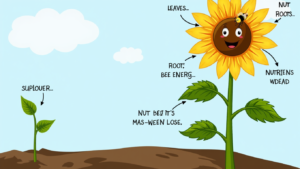
All living things get bigger as they grow.
Examples: A seed grows into a plant. A baby grows into an adult.
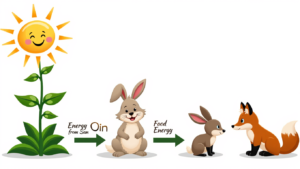
🍎 2. Living Things Need Food and Energy
Living things need energy to move, grow, and stay alive.
- Plants make their own food from sunlight.
- Animals eat plants or other animals.
💨 3. Living Things Breathe
All living things take in gases from the air.
- Humans and animals breathe oxygen.
- Plants take in carbon dioxide.
👶 4. Living Things Reproduce
Living things can make more of their own kind.
- Animals have babies.
- Plants make seeds.
🧠 5. Living Things Respond to Their Environment
Living things react to what happens around them.
Examples:
- Humans move away from danger.
- Plants grow toward the sunlight.
🧽 6. Living Things Get Rid of Waste
Living things remove waste from their bodies to stay healthy.
🔁 7. Living Things Change and Move
Animals move from place to place.
Plants cannot move, but they can change direction to get more sunlight.
Examples
Living: humans, dogs, fish, trees, flowers
Non-Living: rocks, water, toys, tables
⭐ Why It Matters
Knowing these characteristics helps us understand what makes something alive and how living things survive.